

How Sustainable Buildings Impact Fire Protection: Fire Safety in Green Architecture
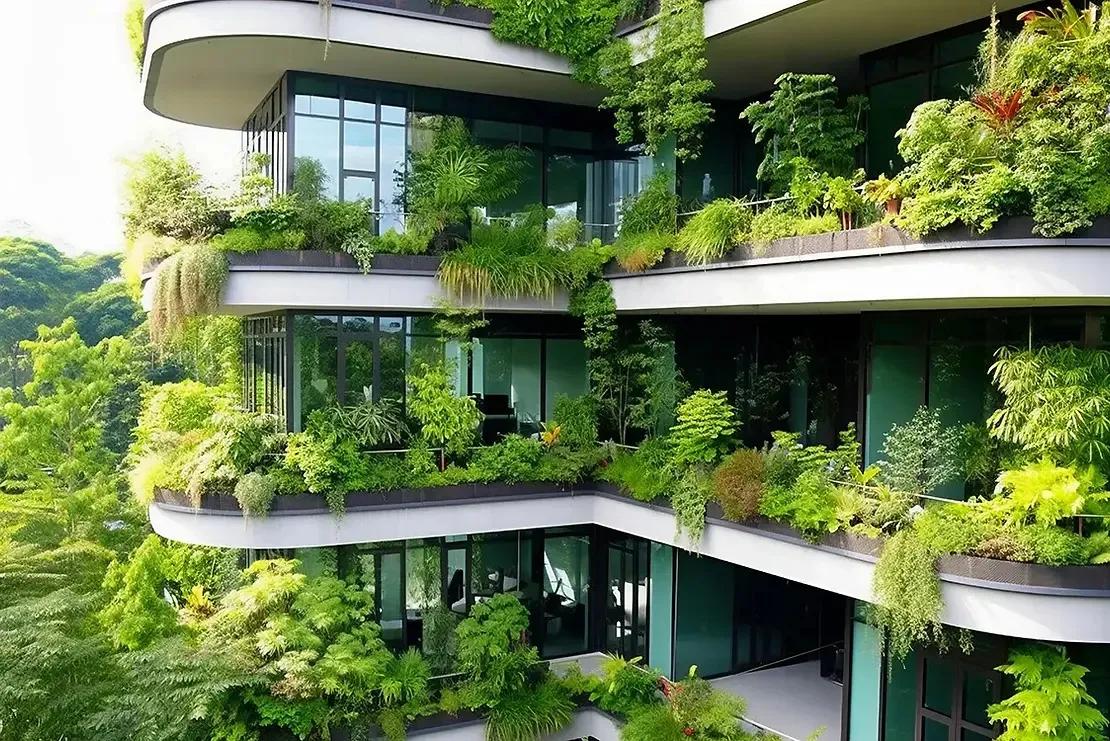
Wildfires, such as the devastating incidents seen in California’s Los Angeles County, highlight the growing impact of climate change and the urgent need to rethink how we design buildings. As wildfires become more frequent and intense, communities face increasing risks to life, property, and infrastructure.
In response, sustainable architecture offers practical solutions that go beyond reducing environmental impact. When designed thoughtfully, green buildings can significantly improve fire safety while also enhancing energy efficiency, creating structures that are safer, smarter, and more resilient.
The Connection Between Wildfires and Sustainable Building Design
Recent wildfires have shown that traditional construction methods often fail under extreme conditions. Sustainable architecture focuses on fire-resilient planning by using materials and design strategies that reduce fire vulnerability.
Non-combustible and fire-resistant materials such as treated wood, recycled steel, fiber cement, and fire-rated concrete play a key role. These materials can withstand high temperatures, slow fire spread, and release fewer toxic emissions, making them safer for both occupants and firefighters.
Key Sustainable Design Features for Fire-Prone Areas

Fire-resistant roofing and exterior cladding made from metal or fiber cement
Green roofs with low-flammable, fire-resistant plants
Landscaping that creates defensible space zones around buildings
These strategies not only improve fire safety but also reduce environmental impact, supporting long-term sustainability.
How Energy Efficiency Strengthens Building Resilience ?
Energy efficiency is a core element of sustainable design and becomes especially important during wildfires. Power outages are common during such events, cutting off access to cooling, lighting, and fire protection systems.
Buildings designed with energy-efficient systems can operate longer and more safely during emergencies, reducing dependence on external power sources.
Energy-Efficient Features That Improve Fire Resilience
Solar panels and renewable energy systems that provide backup power
High-performance insulation that slows heat transfer and fire spread
Passive design strategies such as natural ventilation and smart window placement
Together, these features help buildings remain functional and safer even during extreme conditions.
Fire Safety Regulations in Sustainable Buildings
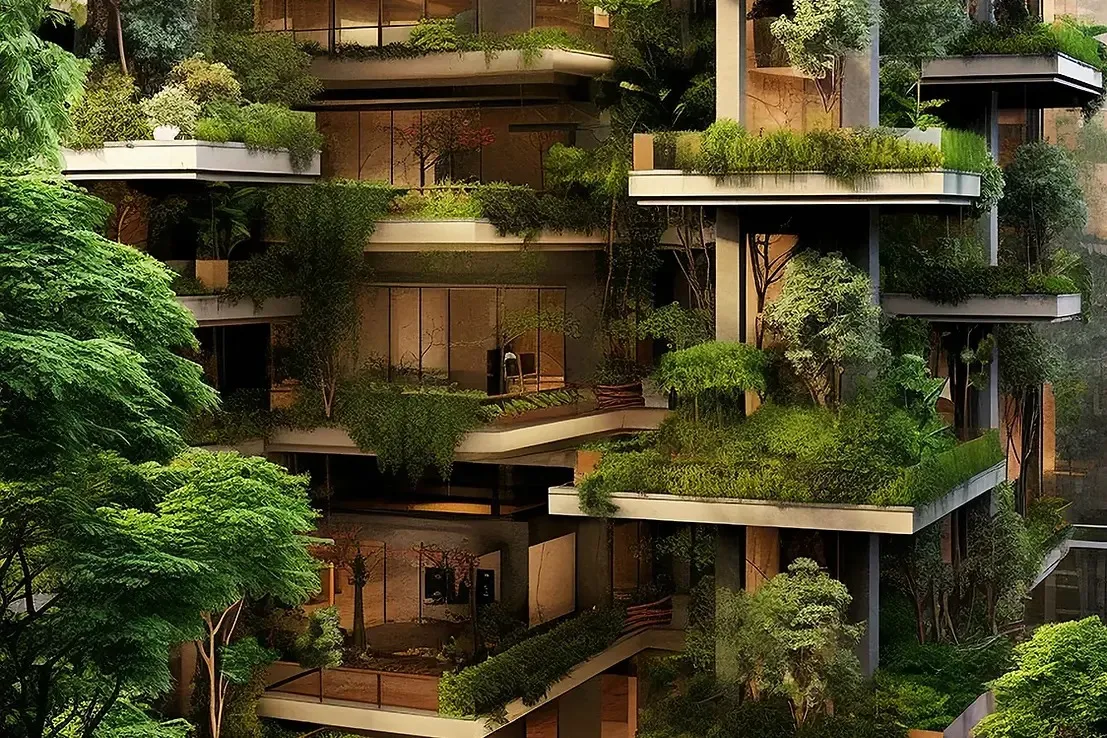
Fire-resilient, high-performance buildings must meet strict safety standards. Codes such as the International Building Code (IBC) and National Fire Protection Association (NFPA) guidelines ensure that buildings meet essential fire protection requirements.
Green certifications like LEED and WELL also incorporate fire safety measures, encouraging architects to balance environmental responsibility with occupant safety. Following these standards allows sustainable buildings to achieve both performance and protection.
Sustainable Building Materials That Improve Fire Safety
Material selection plays a critical role in wildfire-prone regions. Fire-resistant, eco-friendly materials help improve energy efficiency while strengthening fire safety.
Top Fire-Resistant Sustainable Materials
Cross-Laminated Timber (CLT): Engineered to resist fire while remaining sustainable
Recycled steel: Strong, durable, and non-combustible
Earth and adobe: Naturally fire-resistant and energy-efficient materials
Using these materials allows architects to design buildings that are both environmentally responsible and fire-resilient.
Read More - Top 8 Benefits of Biophilic Design for Modern Living
How Schools Can Shape Sustainability: Auromas Approach to Green School Architecture in India
Vastu Tips for Home: 10 Essential Guidelines for a Harmonious & Prosperous Living Space
Practical Strategies for Fire Safety in High-Performance Buildings
Enhancing fire safety requires a balanced approach that combines design, technology, and materials.
Use fire-resistant sustainable materials for structural and exterior elements
Create defensible space with gravel paths, stone surfaces, and low-flammable plants
Install smart fire protection systems such as automated sprinklers and fire sensors
Optimize passive design features like reflective roofing and fire-rated insulation
Comply with fire safety regulations to ensure long-term protection
These strategies help reduce fire risks while maintaining sustainability goals.
How Auroma Architecture Supports Fire-Safe Sustainable Design ?
Auroma Architecture integrates sustainable architecture, fire safety, and energy efficiency into every stage of building design. Their team carefully selects fire-resistant materials, plans energy-efficient systems, and incorporates smart safety technologies to create resilient structures.
By aligning green building principles with fire protection standards, Auroma Architecture helps clients develop buildings that are environmentally responsible, safe, and prepared for future climate challenges.
Conclusion
Sustainable buildings play a vital role in addressing the growing risks of wildfires and climate change. By focusing on sustainable architecture, improving energy efficiency, and prioritizing fire safety, we can create buildings that protect both people and the environment.
The lessons from recent wildfires remind us that resilience must be a core part of modern design. With thoughtful planning and responsible construction, sustainable buildings can help shape safer, stronger communities for the future.